
What Warranty Options to Expect from Roofing and Siding Companies Near Me sets the stage for this enthralling narrative, offering readers a glimpse into a story that is rich in detail with casual formal language style and brimming with originality from the outset.
The content of the second paragraph that provides descriptive and clear information about the topic
Warranty Options Offered by Roofing and Siding Companies
When choosing a roofing or siding company, it is important to consider the warranty options they offer. These warranties provide you with peace of mind and protection in case of any issues with the work done on your home. Let's delve into the different types of warranty options typically provided by roofing and siding companies and what they entail.
Types of Warranties
Roofing and siding companies usually offer two main types of warranties: workmanship warranties and material warranties. Workmanship warranties cover the installation and labor involved in the roofing or siding project, ensuring that the work is done correctly. On the other hand, material warranties cover the materials used in the project, guaranteeing their quality and durability.
Warranty Coverage
- Workmanship: Workmanship warranties typically cover defects in the installation process, such as leaks or improper sealing. They usually last for a specific duration, such as 1-10 years, depending on the company.
- Materials: Material warranties cover any defects in the materials used, such as shingle breakage or siding warping. These warranties can vary in duration, with some lasting up to 50 years for premium materials.
Extended Warranties vs. Standard Warranties
Some roofing and siding companies may offer extended warranties for an additional fee. These extended warranties often provide longer coverage periods and may include additional services or perks. While standard warranties are included in the initial cost of the project, extended warranties offer extra protection and peace of mind for homeowners.
Factors Influencing Warranty Choices
When it comes to warranty options offered by roofing and siding companies, several factors come into play that influence the choices available to customers. These factors can vary from the type of materials used to the company's reputation and even geographical location and climate considerations.Type of Roofing or Siding Material
The type of roofing or siding material being used can significantly impact the warranty options available. For example, some materials may have a longer lifespan and be more resistant to damage, allowing companies to offer extended warranties. On the other hand, certain materials may require more maintenance or be prone to specific issues, leading to shorter or more limited warranties.Company's Reputation and Experience
The reputation and experience of a roofing and siding company can also play a crucial role in the warranty choices they offer. Established companies with a proven track record of quality workmanship and customer satisfaction may be more confident in providing extensive warranties to their clients. On the contrary, newer or less reputable companies may offer shorter or less comprehensive warranties to mitigate potential risks.Geographical Location and Climate Considerations
Geographical location and climate considerations are essential factors that influence warranty selections. Areas prone to extreme weather conditions such as hurricanes, heavy snowfall, or intense heat may require specialized materials and installation techniques. Companies operating in these regions may offer warranties tailored to address specific climate-related challenges, ensuring the durability and longevity of the roofing and siding systems.Understanding Warranty Terms and Conditions
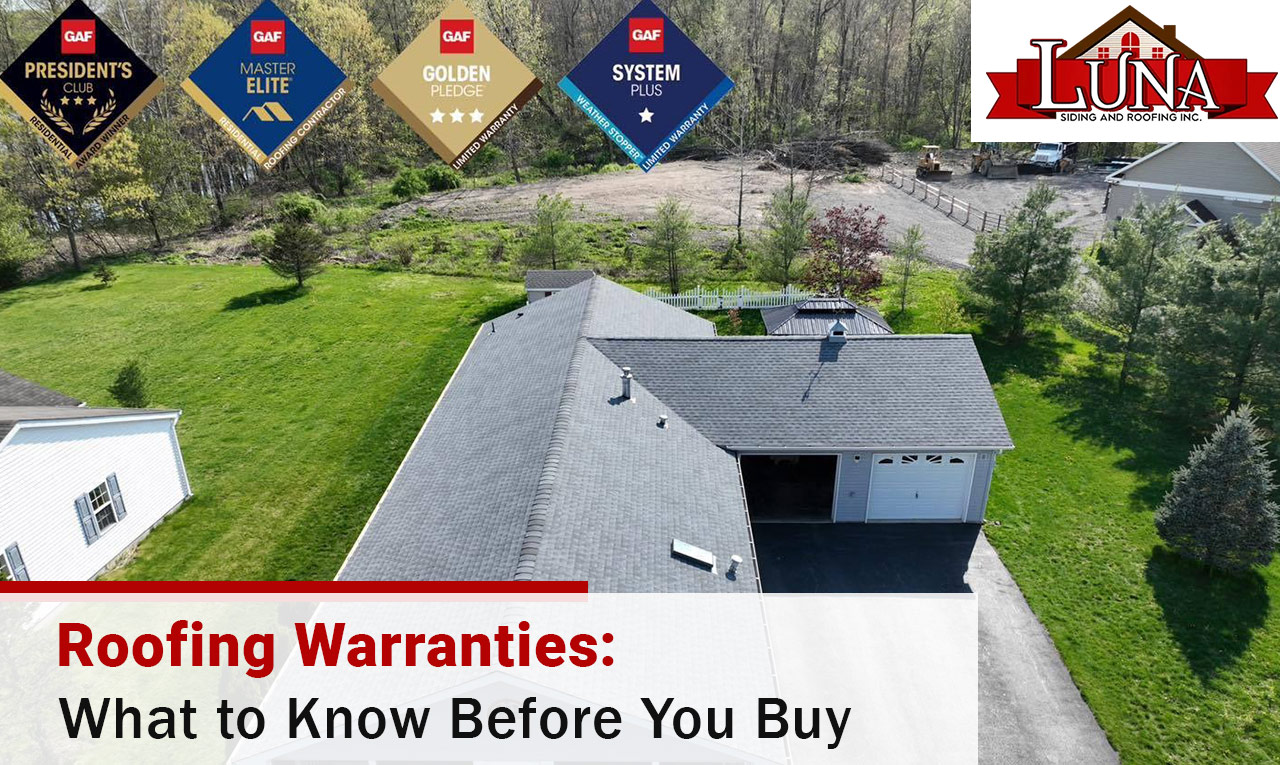 When it comes to roofing and siding warranties, understanding the terms and conditions is crucial for homeowners. These details Artikel what is covered, what is not covered, and the responsibilities of the homeowner to maintain the warranty validity.
Common Terms and Conditions in Roofing and Siding Warranties
- Material Defects: Warranties typically cover defects in materials used for roofing and siding installation.
- Workmanship: Some warranties may also cover issues related to poor workmanship during installation.
- Duration: The length of the warranty period varies, so it is essential to know how long you are covered.
- Transferability: Check if the warranty is transferable to a new homeowner if you decide to sell your house.
Clauses to Pay Attention to Before Selecting a Warranty
Exclusions: Be aware of what the warranty does not cover, such as natural disasters or homeowner negligence.
Maintenance Requirements: Understand the maintenance tasks required to keep the warranty valid, like regular inspections and repairs.
Claim Process: Familiarize yourself with the steps to take in case you need to file a warranty claim.
Impact of Maintenance Requirements on Warranty Coverage
- Failure to meet maintenance requirements can void the warranty, leaving you responsible for any repairs or replacements.
- Regular maintenance not only ensures warranty coverage but also prolongs the lifespan of your roofing and siding.
- Following manufacturer-recommended maintenance schedules is crucial to avoid warranty issues.
Warranty Claims Process
 When it comes to filing a warranty claim with roofing and siding companies, there are some typical steps involved to ensure a smooth process. It is essential to have a clear understanding of the documentation required and follow specific guidelines to expedite your claim.
Documentation Required for Warranty Claims
- Proof of purchase or contract detailing the warranty terms
- Photos of the damaged area
- Any maintenance records or service history
- Completed warranty claim form provided by the company
Tips for an Efficient Warranty Claims Process
Provide clear and detailed information about the issue when submitting your claim.
Follow the company's specific instructions for filing a claim to avoid delays.
Keep all communication and documentation related to your claim organized and easily accessible.
Follow up with the company if you do not receive a response within a reasonable time frame.
Conclusion
The content of the concluding paragraph that provides a summary and last thoughts in an engaging manner
Commonly Asked Questions
What factors can influence warranty choices?
Factors like the type of roofing or siding material, company reputation, experience, geographical location, and climate considerations can all impact the warranty options offered by roofing and siding companies.
What are some common terms and conditions found in warranties?
Common terms and conditions in roofing and siding warranties include coverage for workmanship, materials, duration, and maintenance requirements. Homeowners should pay attention to clauses related to these areas before selecting a warranty.
What is the warranty claims process like?
The typical steps for filing a warranty claim with roofing and siding companies involve documenting the issue, providing necessary paperwork, and following the company's specific procedures. Ensuring a smooth and efficient process requires attention to detail and timely communication.