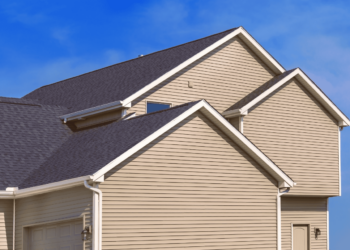

Embark on a journey of color coordination with our guide on How to Coordinate Colors for Your New Siding and Gutters. Discover the art of blending hues seamlessly to enhance your home's exterior aesthetic.
Delve into the intricacies of color theory, choosing the right palette, harmonizing with architectural style, and considering surrounding elements to create a visually appealing facade.
Understanding Color Theory
Color theory is the study of how colors interact with each other and how they can be combined to create pleasing color schemes. When it comes to coordinating siding and gutter colors for your home, understanding the basics of color theory can help you achieve a cohesive and visually appealing look.
There are several color schemes that can be applied to exterior color coordination:
Complementary Color Scheme
A complementary color scheme consists of colors that are opposite each other on the color wheel. For example, pairing a blue siding with orange gutters can create a bold and eye-catching look.
Analogous Color Scheme
An analogous color scheme involves using colors that are next to each other on the color wheel. This creates a harmonious and cohesive appearance. For instance, combining a range of greens and blues for your siding and gutters can result in a calming and balanced look.
Triadic Color Scheme
A triadic color scheme uses three colors that are evenly spaced around the color wheel. This can create a vibrant and dynamic color palette. For example, choosing a combination of red, yellow, and blue for your siding and gutters can add a playful and energetic feel to your home.
It's also important to consider the difference between warm and cool colors when selecting exterior colors. Warm colors like reds, oranges, and yellows can create a welcoming and inviting look, while cool colors like blues, greens, and purples can evoke a sense of calm and serenity. Understanding how these color families work together can help you create the perfect color scheme for your home's exterior.
Choosing the Right Color Palette
When it comes to selecting a cohesive color palette for your siding and gutters, there are several factors to consider to ensure a harmonious look that enhances the overall appearance of your home.It is crucial to take into account the existing colors of your home's exterior features such as the roof, doors, and windows. You want to choose colors that complement and enhance these elements rather than clash with them. To achieve a balanced and visually appealing look, consider incorporating both bold and neutral colors in your color palette. Bold colors can add a pop of personality and create visual interest, while neutral colors provide a timeless and sophisticated backdrop.Balancing Bold and Neutral Colors
- Start by selecting a dominant color for your siding that complements the existing elements of your home. This color will set the tone for the rest of your color palette.
- Choose a secondary color for your gutters that either matches or contrasts with the dominant siding color. This will help create depth and dimension in your home's exterior.
- Consider using neutral colors such as whites, grays, or beiges for trim, fascia, and other accents to tie the look together and create a cohesive aesthetic.
- Experiment with different shades and tones of colors to find the perfect balance between bold and neutral hues that work harmoniously together.
Harmonizing with Architectural Style
When choosing colors for your siding and gutters, it's essential to consider the architectural style of your home. The right color combination can enhance the overall look of your property and complement its design aesthetic.Traditional Homes: For traditional homes, classic and neutral colors like beige, cream, gray, or navy blue are popular choices for sidingConsidering Surrounding Elements
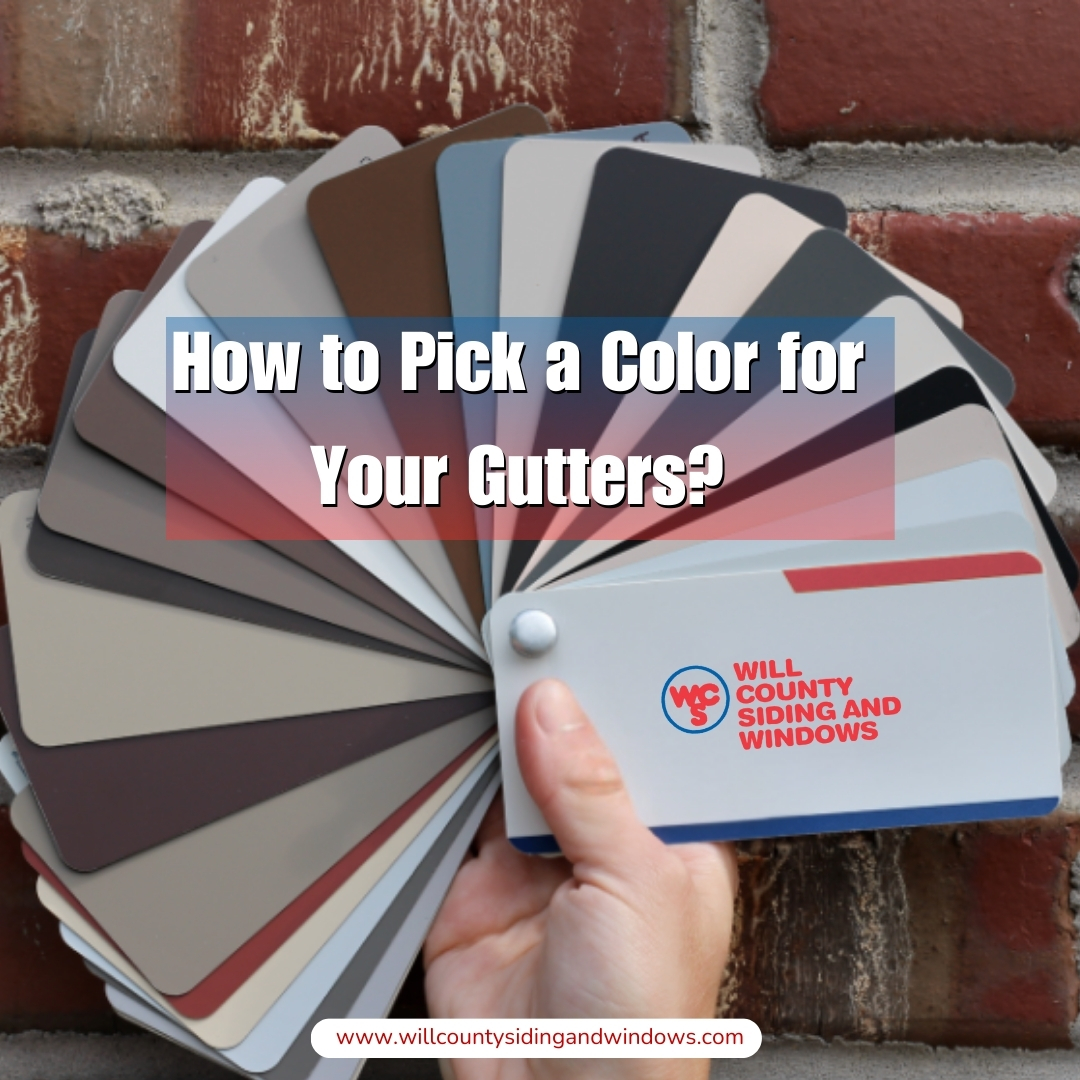 When coordinating siding and gutter colors for your home, it is crucial to take into account the surrounding elements such as landscaping, roof color, and the aesthetics of your neighborhood. This will help ensure that your choices blend harmoniously with the natural surroundings while creating visual interest.
Coordinating with Landscaping
When selecting colors for your siding and gutters, consider the colors present in your landscaping. Choose hues that complement the greenery, flowers, or other elements in your yard. For example, if you have a lot of earthy tones in your landscaping, opting for warm and neutral siding colors can help tie everything together seamlessly.Harmonizing with Roof Color
Take a look at the color of your roof when deciding on siding and gutter colors. Ensure that the shades you choose complement the roof color rather than clash with it. If your roof has cool tones, you may want to consider siding colors that also have cool undertones to create a cohesive and balanced look.Blending with Neighborhood Aesthetics
Consider the overall aesthetic of your neighborhood when selecting siding and gutter colors. While you want your home to stand out, you also want it to harmonize with the surrounding houses. Take cues from the prevalent color schemes in your neighborhood to ensure that your choices fit in while still allowing your home to make a statement.Closing Summary
As we conclude our exploration of color coordination for siding and gutters, remember that the perfect color scheme can transform your home's curb appeal. Experiment, take risks, and enjoy the process of creating a harmonious exterior look that reflects your style and personality.
FAQ
How can I decide on the right color palette for my siding and gutters?
Consider the existing colors of your home's exterior and opt for a cohesive palette that balances bold and neutral shades for a harmonious look.
What role does color theory play in coordinating siding and gutter colors?
Color theory provides the foundation for understanding how different colors work together, guiding you in selecting complementary, analogous, or triadic schemes for a cohesive design.
How important is it to harmonize siding and gutter colors with architectural style?
Harmonizing colors with architectural style ensures a cohesive look that complements the overall design of your home, whether it's traditional, modern, or rustic in nature.
Why is it essential to consider surrounding elements when choosing siding and gutter colors?
Considering landscaping, roof color, and neighborhood aesthetics helps ensure that your chosen colors blend well with the natural surroundings, creating visual interest while maintaining harmony.